Resident Evil Requiem: First-Person or Third-Person?
Requiem lets you switch camera at any time. Here is what each view actually changes, and which one suits how you play.
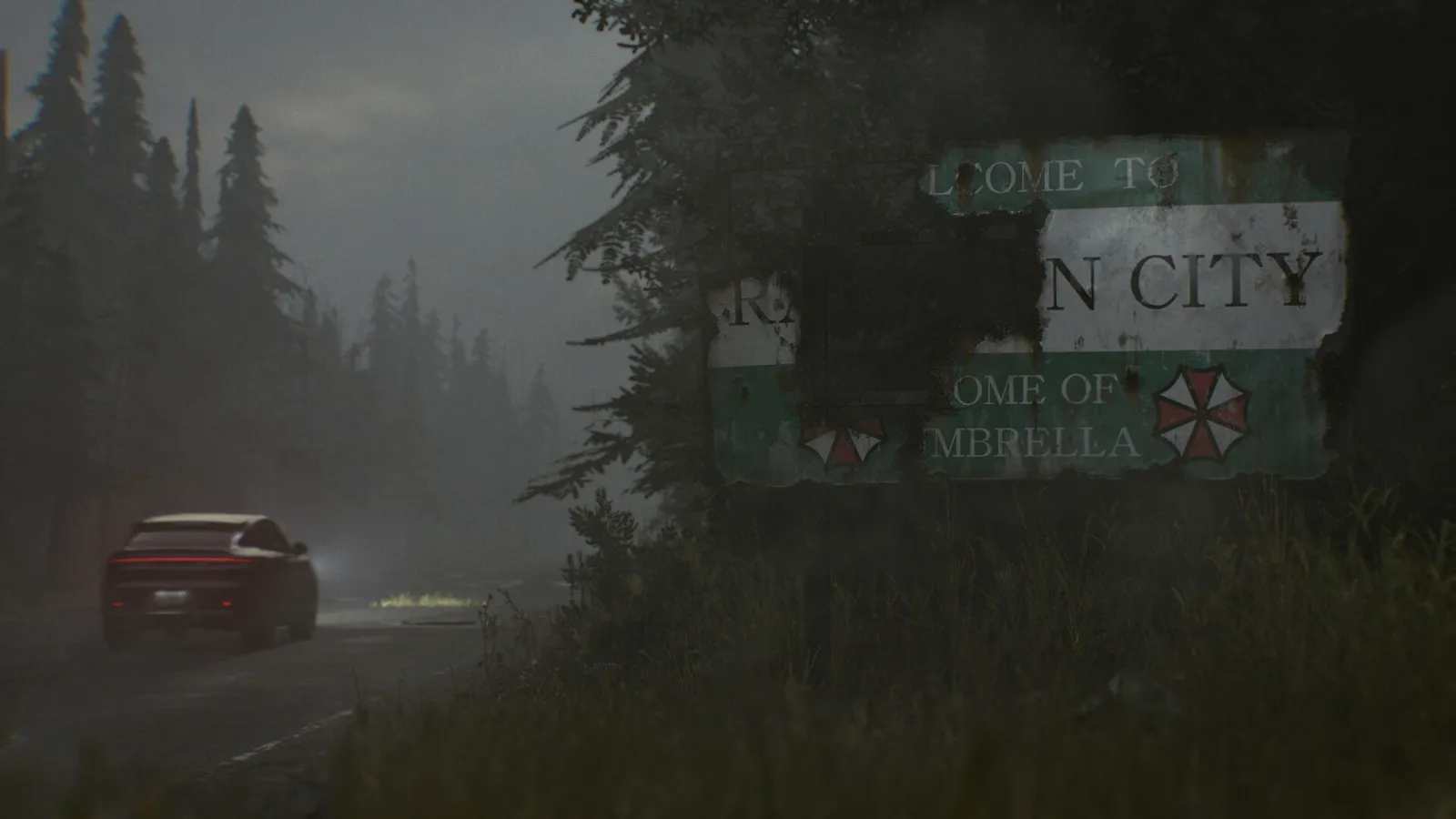
Requiem is the first mainline Resident Evil to ship both camera modes in the same package, switchable whenever you like. That sounds like a small option. It is not.
What first-person changes
The obvious part is tension: you cannot see behind you, and the game knows it. The less obvious part is your peripheral awareness of the room. Item pickups sit outside your view far more often, which slows exploration and makes backtracking more common.
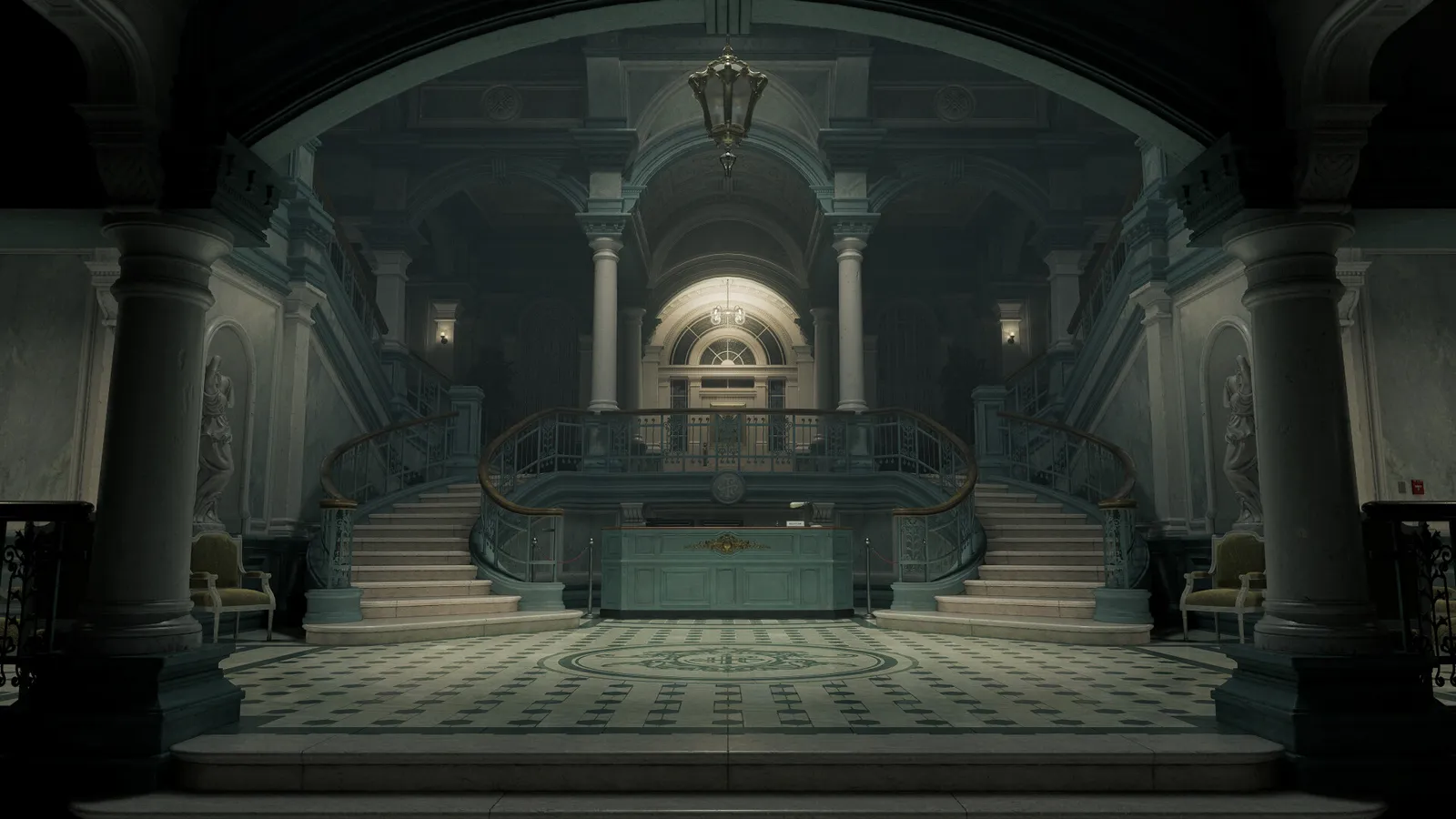
What third-person changes
Combat legibility. Being able to see your own body relative to a doorway is worth more than it sounds when something is chasing you down a corridor.
Third-person also makes crowds readable. Any encounter with more than two enemies is meaningfully easier from behind the shoulder.
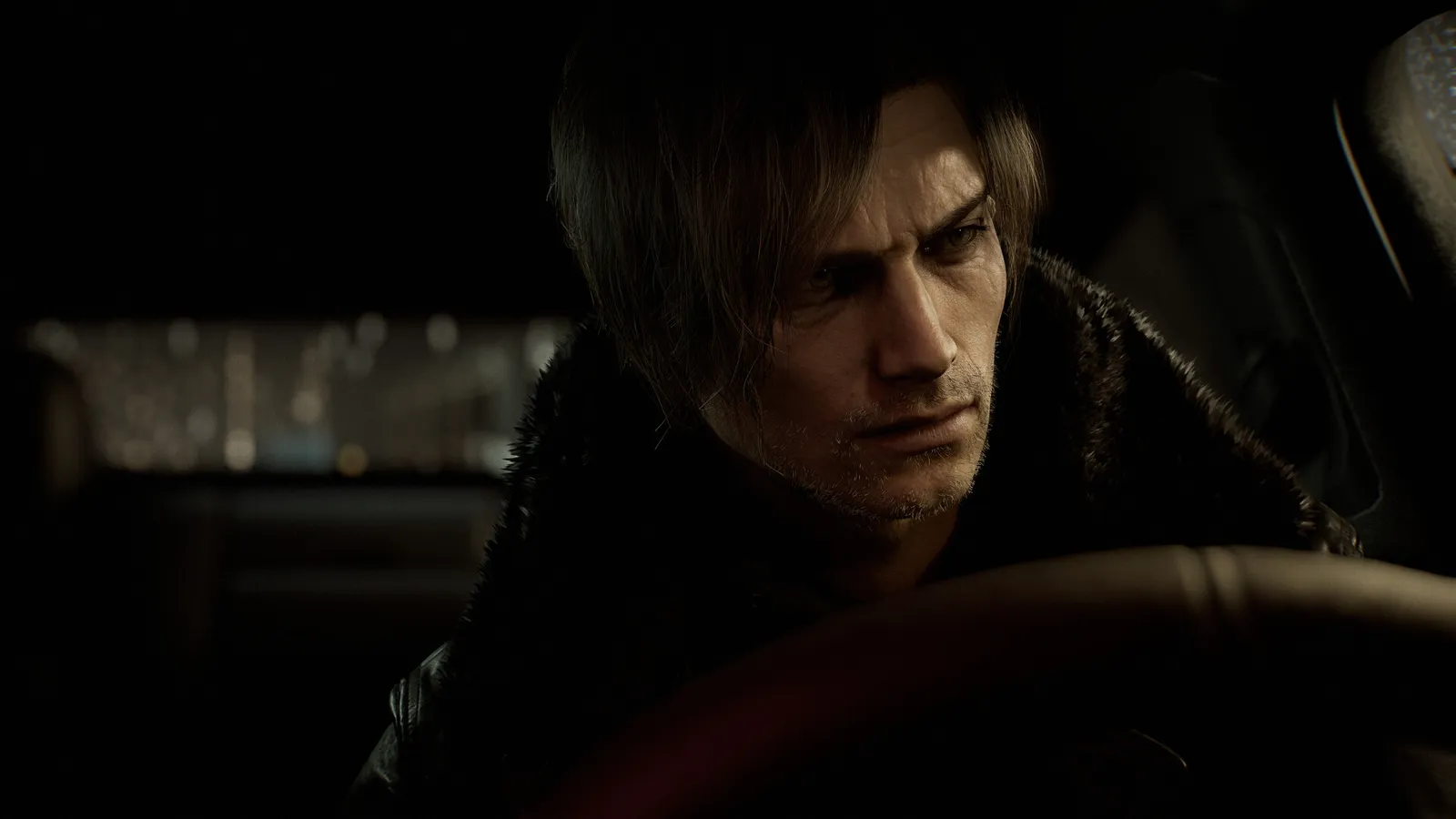
Which to pick
- First run, want the atmosphere: first-person.
- Coming from RE4 or RE2 Remake: third-person, at least until the systems click.
- Going for a high difficulty clear: third-person. The information advantage is real.
You can change your mind
Because the toggle is available at any point rather than locked at the start, there is no wrong first choice. Many players settle into first-person for exploration and flip to third-person for boss encounters, which is a perfectly reasonable way to play.